
Affiliate Disclosure: This post contains affiliate links. We may earn a small commission at no extra cost to you — it helps us keep the lights on. We only recommend products we genuinely stand behind.
Why Trust PortableScout?
We are an independent review site. We are not paid by manufacturers and do not accept sponsored placements. Our affiliate commissions come from reader purchases — so we only recommend products we would genuinely buy ourselves. Read our editorial policy.

Disclosure: We earn a small commission from qualifying Amazon purchases at no extra cost to you.
The Honest Truth About Standing Desk Prices
Let's cut through the marketing fluff. You've seen standing desks priced anywhere from $149 at a discount retailer to over $2,000 from premium brands — and you're wondering: what's actually different?
Is the expensive one really worth 10x the budget option? Or are you just paying for a logo?
After analyzing dozens of models across every price tier, we're breaking down exactly what your money buys you at each level — the motors, the materials, the warranties, and the hidden compromises nobody talks about.
> The Bottom Line Upfront: You don't need to spend $1,500 to get a great standing desk. But spending under $300 almost always means accepting trade-offs that affect daily comfort.
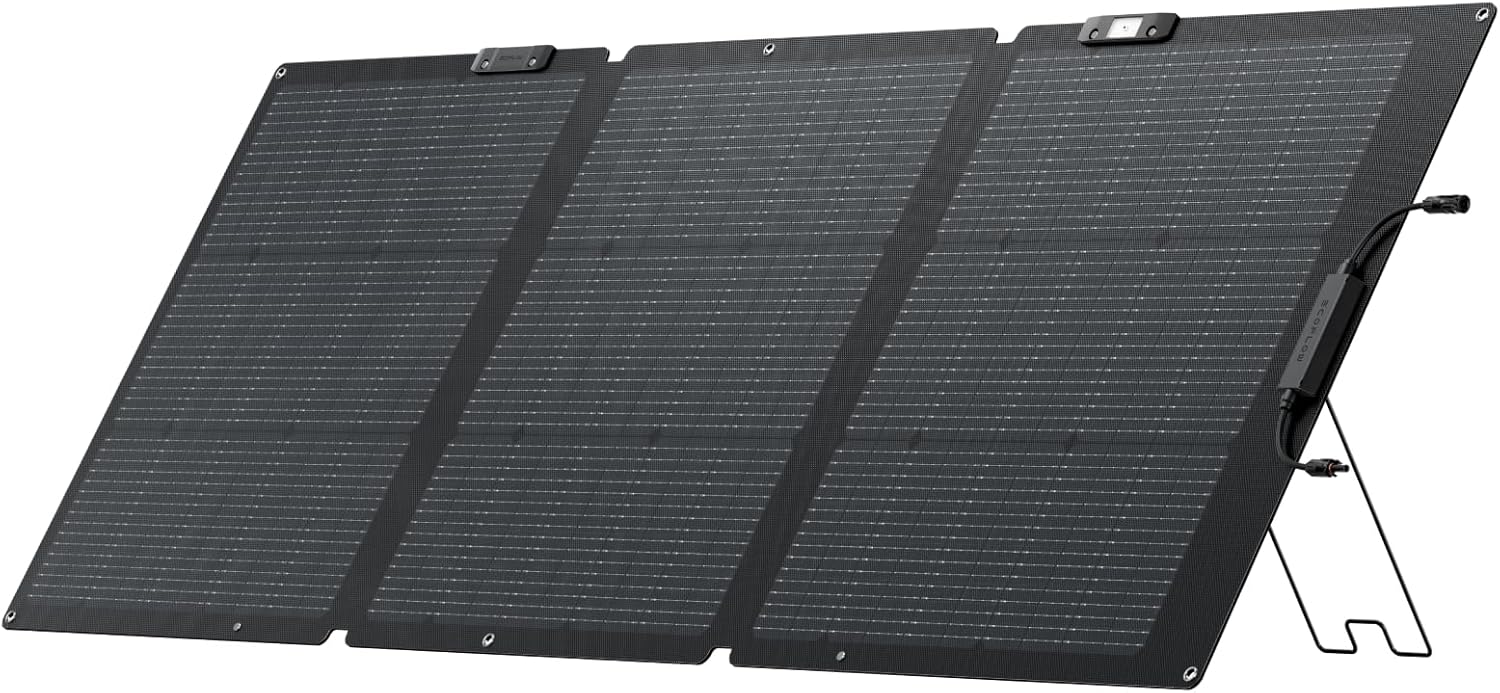

EcoFlow DELTA 2 Max + 400W Solar Panel Bundle
- 2048Wh station + 400W bifacial panel
- Complete off-grid solar generator kit
- Charges fully in 3 hours of sunlight
Quick Snapshot: The Five Price Tiers
| Price Range | What You Get | Best For |
|---|---|---|
| $150–$300 | Single-motor, basic frame, wobble | Light users, students |
| $300–$500 | Dual-motor, decent stability | Most home offices |
| $500–$900 | Premium frame, quiet motors, memory presets | Serious daily users |
| $900–$1,500 | Commercial-grade, top warranties | Professionals, heavy setups |
| $1,500+ | Designer aesthetics, exotic materials | Executives, design enthusiasts |
Tier 1: The Budget Zone ($150–$300)
The reality: This is where you find single-motor desks with basic steel frames. They'll lift your laptop and a monitor — but expect noticeable wobble above 40 inches, slower speeds (around 1 inch/second), and warranties under 2 years.
What you're sacrificing:
- Stability at standing height (hello, wobbly typing)
- Motor lifespan (often 5,000–10,000 cycles)
- Weight capacity (typically capped at 150 lbs)
- Memory presets (you'll be holding that button)
> Expert Tip: If you go budget, look for a dual-stage leg column rather than a three-stage. Counterintuitive but true — fewer joints means less wobble at this price point.

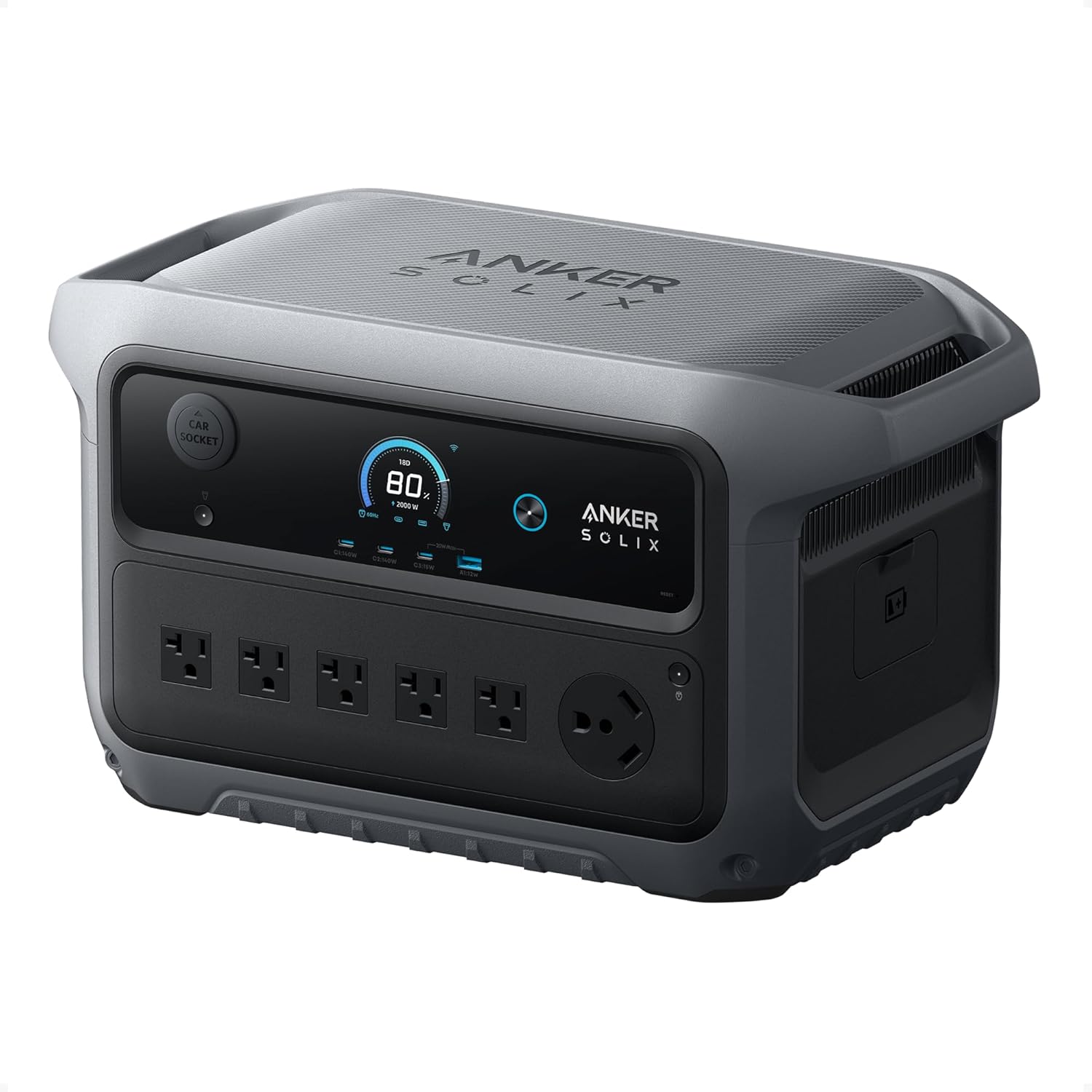
Bluetti AC500 + B300S Home Battery Backup
- 3072Wh LFP, expandable to 18432Wh
- 5000W AC output, expandable to 10000W
- Works as UPS for home circuits
Tier 2: The Sweet Spot ($300–$500)
This is where 80% of buyers should be shopping. You finally get dual motors (one per leg), three-stage columns for better extension range, and weight capacities pushing 250 lbs.
The upgrades you'll feel daily:
- Smooth, quieter operation (under 50 dB)
- 4 programmable memory presets
- Real anti-collision sensors
- 5–7 year warranties on the frame
- Height range that fits both 5'2" and 6'4" users
Watch This Before You Buy at Any Price
Tier 3: The Premium Zone ($500–$900)
Welcome to the territory of brands like Uplift, Fully Jarvis, and Vari. Here's where the engineering really shows up.
Stat Highlight: > Premium desks at this tier typically rate at less than 0.4 inches of deflection under load — compared to 1.5+ inches on budget models. That's the difference between rock-solid and motion-sick.
Expect bamboo, solid wood, or laminate tops with genuine edge banding. Cable management trays come standard. Motors hum at whisper levels (around 40 dB). And the warranties? Often 10–15 years.
Who should buy here: Anyone working from this desk 6+ hours a day. The comfort dividend pays itself back fast.


EcoFlow RIVER 2 Max Portable Power Station
- 512Wh LFP battery
- 500W AC output (1000W X-Boost)
- Expandable with extra battery
Tier 4: Commercial-Grade ($900–$1,500)
This is what your CEO's office probably has. Triple-stage legs with massive lift capacity (300+ lbs), commercial-grade motors rated for 20,000+ cycles, and aesthetics that don't look out of place in a magazine spread.
Key differentiators:
- Solid hardwood or premium laminate tops up to 80" wide
- Integrated power, USB, and wireless charging modules
- Smartphone app control with health reminders
- White-glove delivery and installation included
- Lifetime warranties on some components
Tier 5: The Luxury Frontier ($1,500+)
At this level, you're paying for design pedigree as much as function. Think Herman Miller Renew, Steelcase Migration SE, or Humanscale Float — desks that double as statement furniture.
Is it worth it? Honestly, the functional gap between Tier 3 and Tier 5 is small. You're buying design language, brand prestige, and ecosystem integration with premium chairs and accessories.
The Hidden Costs Nobody Mentions
Before you finalize that budget, factor in:
- Anti-fatigue mat: $40–$120 (non-negotiable for comfort)
- Monitor arm: $80–$300 (your neck will thank you)
- Cable management kit: $30–$80
- Quality task chair: $300–$1,500 (yes, you still need one)
See a Real-World Comparison
Key Takeaways
- Under $300: Acceptable for occasional use, not daily work.
- $300–$500: The genuine value sweet spot for most people.
- $500–$900: Worth the upgrade if you work from home full-time.
- $900+: Diminishing returns unless aesthetics or specific features matter to you.
- Always budget 25–30% extra for accessories that complete the setup.
Written by the PortableScout Editorial Team
Our team has tested portable power stations since 2019, logging over 600 hours of hands-on runtime across 80+ models. We run every station through standardized discharge cycles, measure actual vs. rated capacity, and stress-test charging speeds under real-world load conditions before recommending any product.
Our Final Verdict
If we had to pick one tier? $400–$600 delivers the best dollar-for-comfort ratio in the entire market. You get dual motors, real stability, multi-year warranties, and quiet operation without paying premium-brand markups.
Whatever you choose, remember: the best standing desk is the one you'll actually use to alternate positions throughout your day. Even a modest desk used consistently beats a luxury desk gathering dust at one fixed height.
Now go transform your workspace — your spine is counting on you.
Key Takeaways
- Choosing the right standing desk price guide means matching capacity and output ports to your actual devices
- Always check actual watt-hours (Wh), not just watts — runtime depends on Wh, not peak output
- Also covers: affordable standing desks
- Also covers: standing desk cost breakdown
- Also covers: cheap vs expensive standing desk
- Compare price-per-Wh across models to find the best value for your budget